
 OpenMV
 Shields
 Lens
Lens Robotics
 Book
Book Video
Video Download
 Docs
Docs Forum
Forum OpenMV.io
 GithubOpenMVShieldsLensRoboticsBookVideoDownloadDocsForumOpenMV.ioGithub
From visual recognition to data linkage, SingTown AI makes engineering operations more intelligent.
At mining areas, railway freight stations, or logistics loading and unloading sites, loading equipment (such as excavators, gantry cranes, etc.) must accurately identify the wagon compartment numbers ahead to match task lists and record operational information.
However, the varying colors, fonts, and spraying methods of carriage numbers, combined with complex ambient lighting and severe dust obstruction, result in high error rates and low efficiency in manual identification.
To this end, engineering machinery manufacturing enterprises adopt SingTown's OpenMV intelligent camera recognition technology, utilizing AI machine vision and optical character recognition (OCR) algorithms to achieve dynamic detection and real-time identification of carriage numbers.
The system can be widely applied in scenarios such as railway freight, mining area loading and unloading, and intelligent scheduling, facilitating the informatization upgrade of industrial sites.
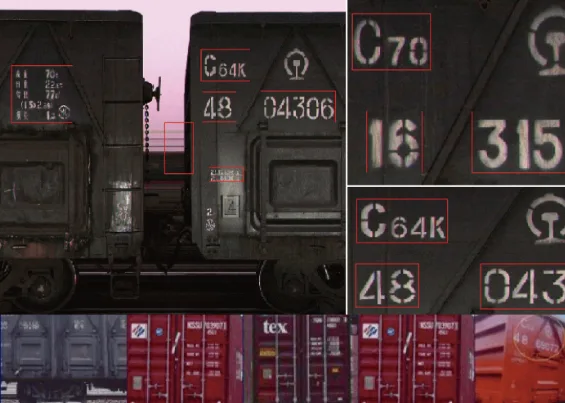
Construction machinery manufacturing enterprises utilize SingTown Technology's OpenMV intelligent camera recognition technology to achieve automatic detection and recognition matching of truck carriage numbers.
The camera is installed at the front of the excavator or loading equipment. Through the process of image preprocessing, feature enhancement, and OCR character recognition, it automatically detects numbers and letters with high-contrast features on the vehicle body, identifying painted numbers on trucks or carriages within a range of 10 meters.
The system integrates AI visual algorithms with template matching technology, supporting the recognition of various numbering styles and fonts (such as white characters, gray characters, and embossed fonts). It filters environmental light interference through brightness equalization and reflection suppression algorithms.
During loading and unloading operations, the camera performs edge detection and text region localization in each frame. Once a number (such as "C64K" or "04306") is identified, the system immediately outputs the recognition result along with its confidence level. This information is transmitted via serial port or wireless communication to the control unit or the host computer system for recording vehicle identity and matching it with the operation.
This solution attains an identification accuracy rate exceeding 95%, and the on-device AI can independently accomplish identification tasks locally, sustaining high recognition stability under complex working conditions such as dust, vibration, and sunlight reflection.
Through SingTown Technology's machine vision intelligent camera recognition technology, construction machinery manufacturing enterprises have achieved automatic identification, intelligent matching, and data management of vehicle compartment numbers. By utilizing computer vision and image recognition technology, on-site operational efficiency and safety have been significantly enhanced.
Related articles
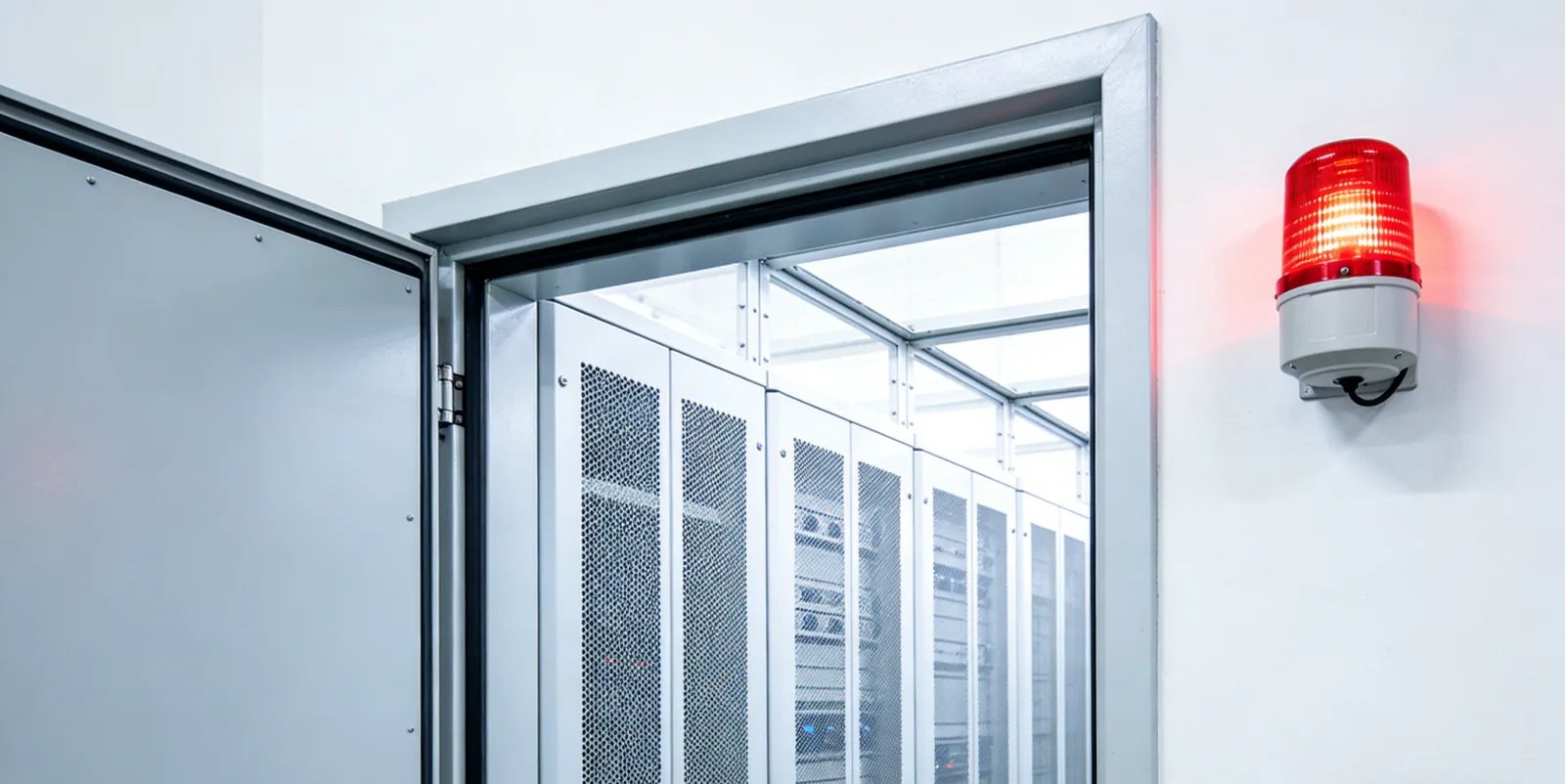
AI Sentinel Based on OpenMV: Automatic Alert for Unsecured Key Locations
Automatically detects whether the door of a key location has remained open for an extended period and promptly issues an alert.
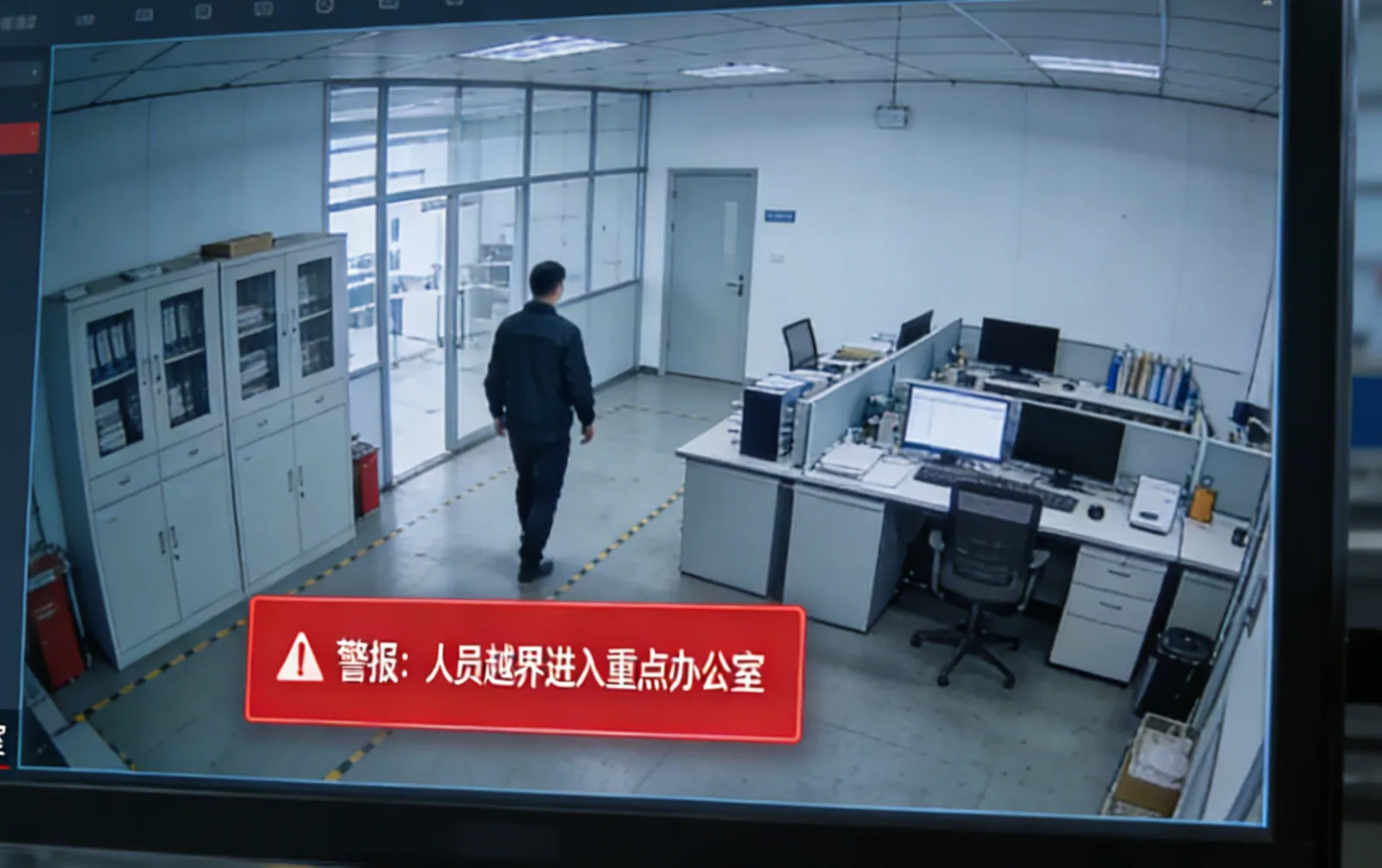
Personnel crossing the boundary triggers an alarm; OpenMV interprets “a sense of security boundary.”
Detects personnel or equipment crossing virtual perimeter lines.

“AI City Management” is Here: An Automated Vending-Obstruction Detection System Built on OpenMV
Automatically identifies illegal street vending activities to support daily urban governance.

Improper Storage of Gas Cylinders? Use OpenMV to Automatically Trigger Hazard Warnings
Automatically identifies unauthorized placements of gas cylinders to proactively detect gas-related safety hazards.
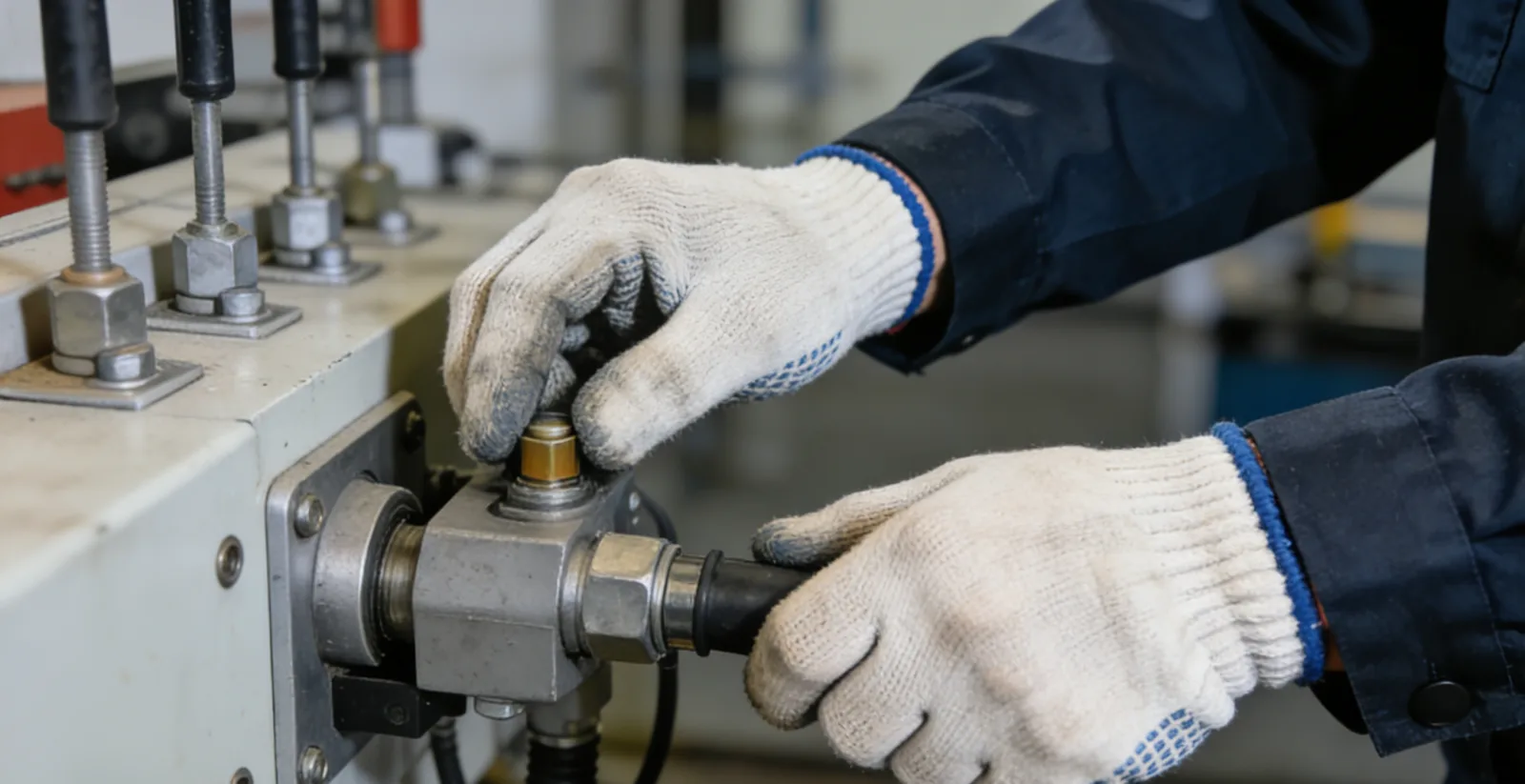
Performing live-line work without wearing insulating gloves? OpenMV will immediately issue an alert!
Automatically identifies whether personnel are wearing insulating gloves to assist in safe operations.

Utilizes the OpenMV smart camera to detect surface defects on aluminum plates in real time
Online detection of defects on aluminum plate surfaces—such as scratches and dents—to support quality control.