
 OpenMV
 Shields
 Lens
Lens Robotics
 Book
Book Video
Video Download
 Docs
Docs Forum
Forum OpenMV.io
 GithubOpenMVShieldsLensRoboticsBookVideoDownloadDocsForumOpenMV.ioGithub
SingTown Technology Empowers Electronic Testing Equipment Production: Completing Instrument Testing and Screening in Five Seconds
In the production inspection of electronic instruments, automotive central control systems, and industrial display modules, determining whether the instrument lights up properly and whether the brightness is uniform is a critical step in ensuring the quality of products before they leave the factory.
Traditional manual inspection methods are highly subjective and inefficient, particularly prone to misjudgment in low-light environments.
To this end, electronic testing equipment manufacturers have adopted SingTown's OpenMV intelligent camera recognition technology, integrating AI machine vision and brightness analysis algorithms to achieve rapid detection of instrument on/off status, luminous colour, and brightness consistency.
The system can complete full-screen detection within 5 seconds, accurately determining whether individual strokes are too dark or half-lit. It is widely applied in scenarios such as electronic instrument inspection lines, automotive display module testing, and smart terminal factory inspections.
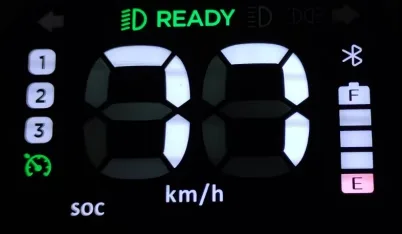
Electronic testing equipment manufacturers utilise SingTown's OpenMV intelligent camera recognition technology to establish an instrument brightness detection system, enabling automatic brightness detection and defective product identification for illuminated instruments.
The system automatically illuminates the instrument panel in dark environments. After the camera captures the luminescent image, it detects the luminescent areas of each stroke using brightness threshold analysis, region segmentation, and image comparison algorithms.
The edge-side AI algorithm automatically identifies the luminous intensity distribution curve of each stroke and performs point-by-point comparison with the standard template image.
If partial brightness deficiency is detected (e.g., a stroke is only half-lit) or the overall brightness falls below the set threshold, the system will automatically identify the product as defective and output a warning signal. The system also supports multi-colour light recognition (red, green, blue, etc.), enabling the detection of whether the instrument's illumination is discoloured or abnormally flickering.
The OpenMV module features a built-in high-speed image processing unit, capable of completing the detection, analysis, and result output of an entire instrument panel within 5 seconds, meeting edge deployment requirements under various conditions.
The identification results can be transmitted to the host computer via serial port, Modbus, or network communication interfaces, enabling detection recording, traceability, and sorting control.
This solution achieves a fully automated detection process from brightness acquisition to quality assessment. Through simple deployment, it enables enterprises to introduce technologies such as computer vision and image recognition into production processes, realizing high-speed, precise, and unmanned instrument brightness detection and defective product removal.
Related articles
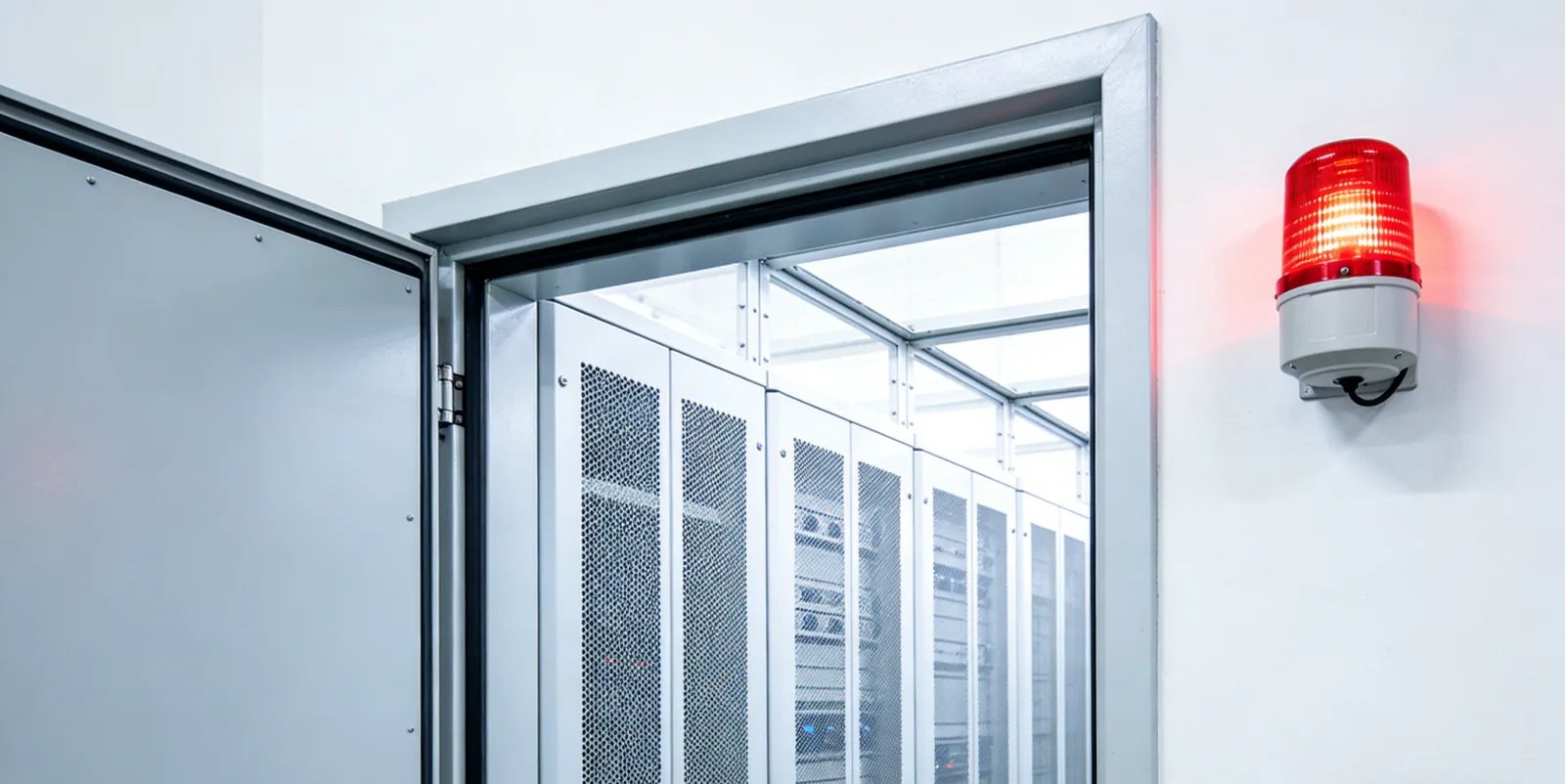
AI Sentinel Based on OpenMV: Automatic Alert for Unsecured Key Locations
Automatically detects whether the door of a key location remains open for an extended period and issues timely alerts.
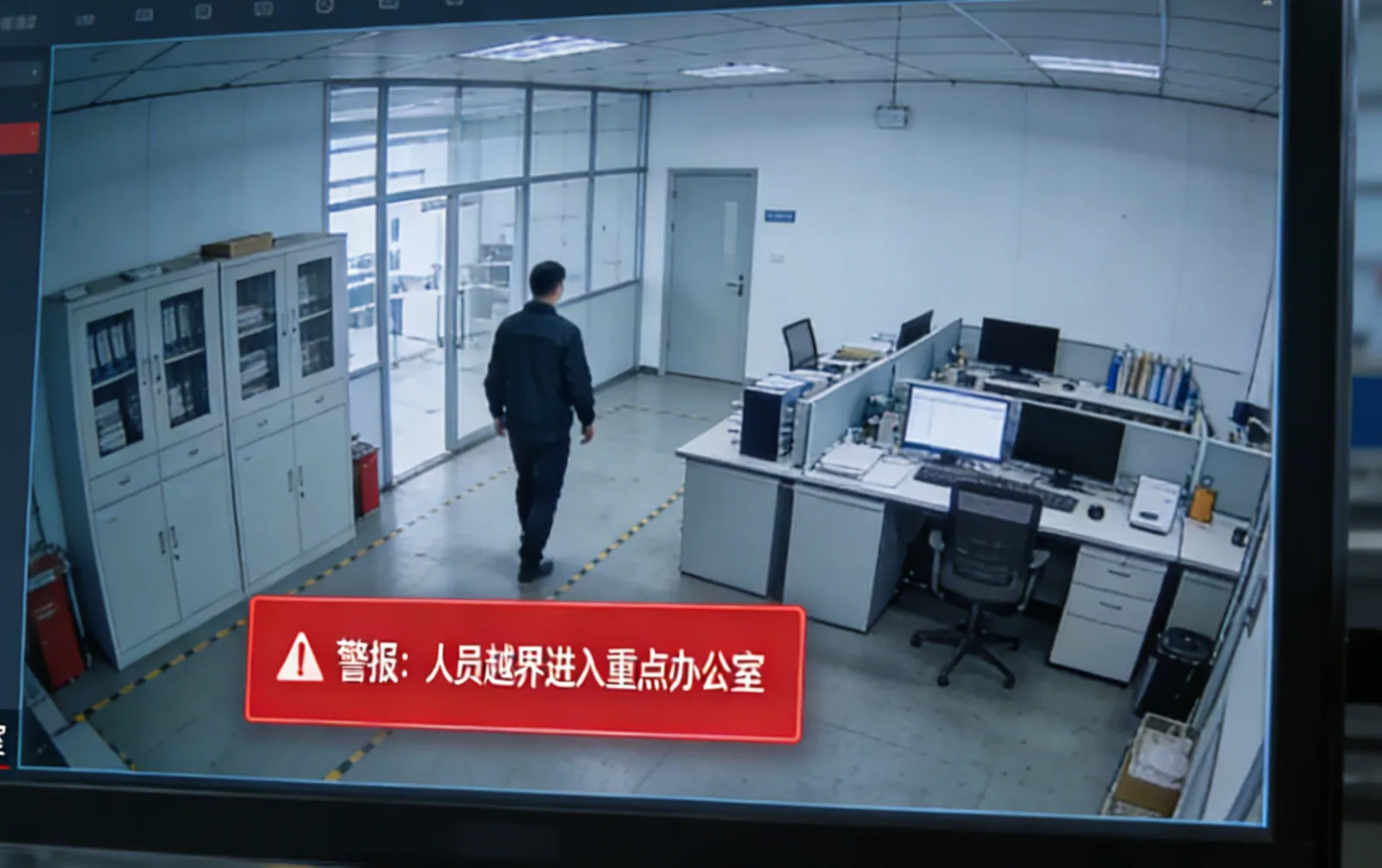
Personnel crossing the boundary triggers an alarm; OpenMV interprets the “sense of security boundary.”
Detects personnel or equipment crossing virtual perimeter lines.

“AI Urban Management Officer” is Here: An Automatic Vendors-Encroaching-on-Pavement Recognition System Built on OpenMV
Automatically identifies illegal street vending activities to support daily urban governance.

Improper Storage of Gas Cylinders? Use OpenMV to Automatically Trigger Hazard Warnings
Automatically identifies unauthorized placements of gas cylinders to proactively detect potential gas-related safety hazards.

Did you perform live-line work without wearing insulating gloves? OpenMV issues an immediate alert!
Automatically identifies whether workers are wearing insulating gloves to assist in safe operations.

Leverage the OpenMV smart camera to detect surface defects on aluminum plates in real time
Online identification of defects on aluminum plate surfaces, such as scratches and dents, to support quality control.