Whether fire extinguishers are in place is often only revealed when they are actually needed—by which time it is already too late. Relying on manual inspections results in low frequency and high risk of omissions, making sustained effectiveness difficult to achieve. OpenMV transforms fire safety inspections into an “always-on” process through vision-based monitoring.
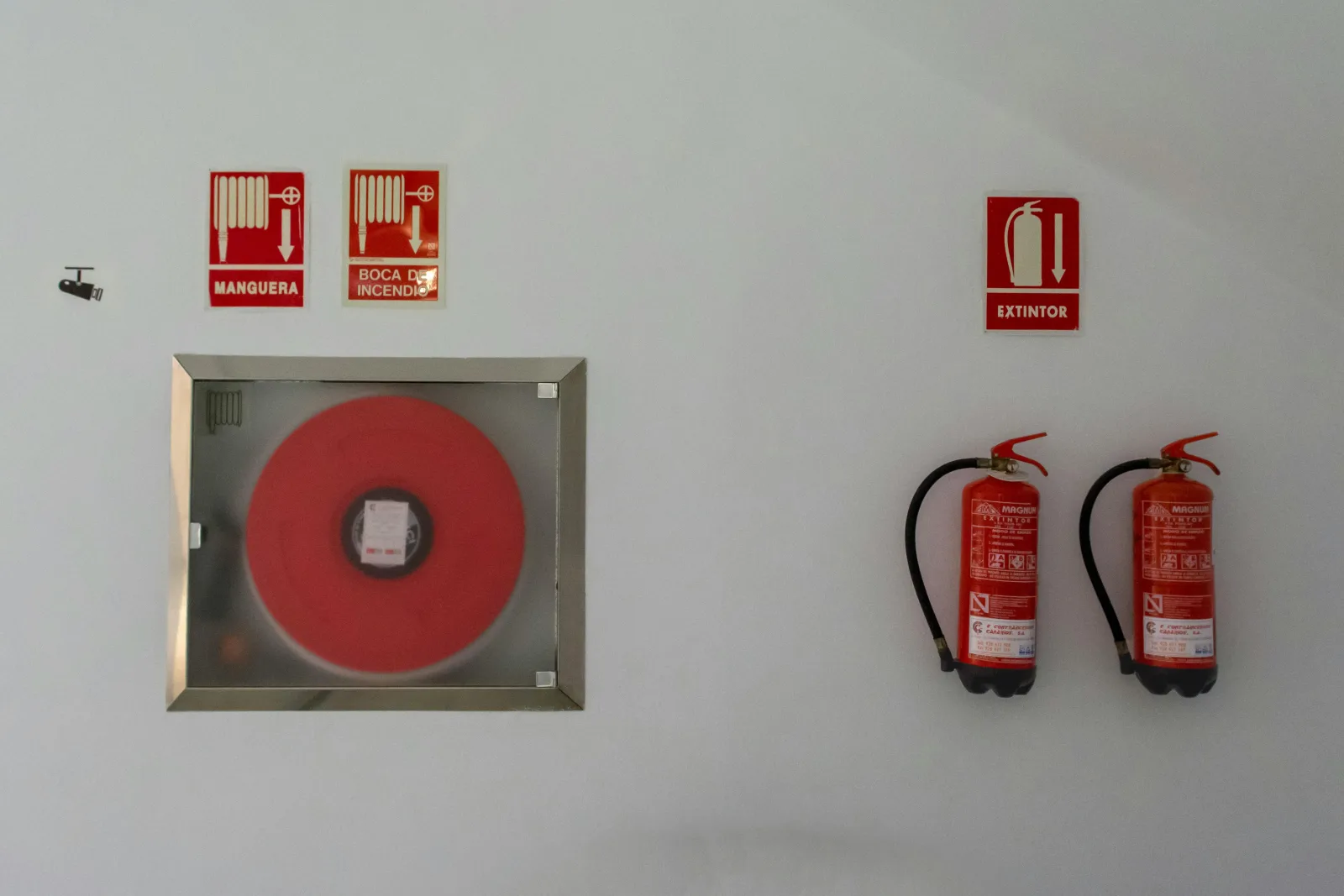
In public and industrial venues such as shopping malls, industrial parks, factory workshops, and office buildings, the compliance of fire extinguisher placement, unauthorized relocation, and obstruction by debris directly affects emergency response efficiency during sudden fire incidents. The absence of fire extinguishers or inability to access them immediately often results in missing the critical window for initial firefighting, leading to greater safety losses.
Traditional fire inspection primarily relies on manual periodic checks, which not only limits inspection frequency but also heavily depends on inspectors’ sense of responsibility and experience, making omissions, misjudgments, or situations where “inspections pass but equipment is subsequently removed” prone to occur, thus hindering continuous and effective supervision.
The integration of SingTown’s OpenMV smart camera upgrades fire extinguisher inspections from manual patrols to round-the-clock, automated visual inspections.
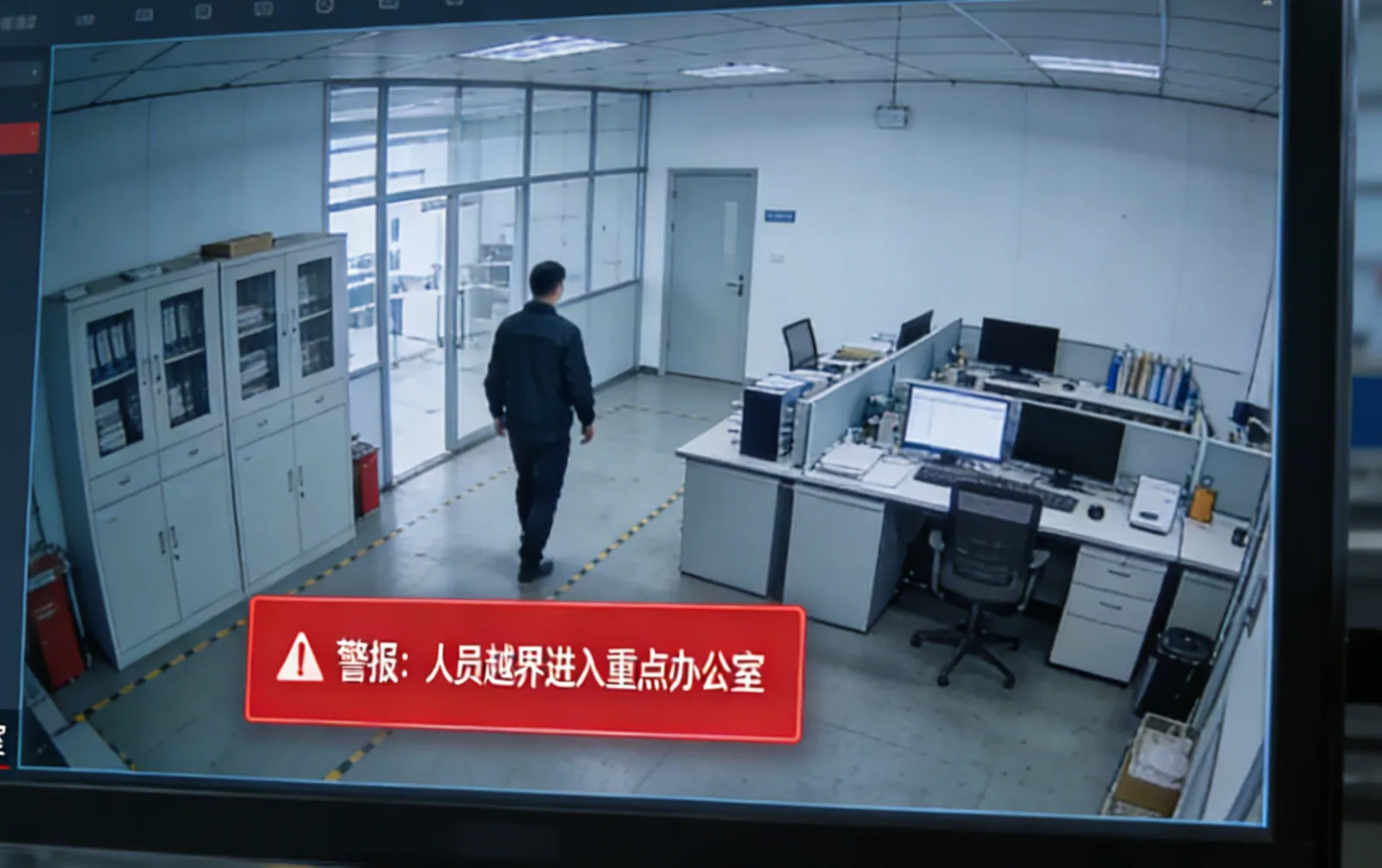
The camera is permanently installed at the designated location corresponding to fire-fighting equipment and operates stably over the long term, continuously capturing on-site images of fire extinguisher areas without human intervention. OpenMV runs object recognition algorithms on the camera’s edge side to accurately identify fire extinguishers and, in conjunction with pre-defined installation area rules, determines whether each fire extinguisher is positioned as required. Additionally, through integrity assessment and occlusion detection, the system identifies whether a fire extinguisher is obstructed, toppled, or exhibits abnormal appearance, thereby evaluating its operational readiness from multiple dimensions.
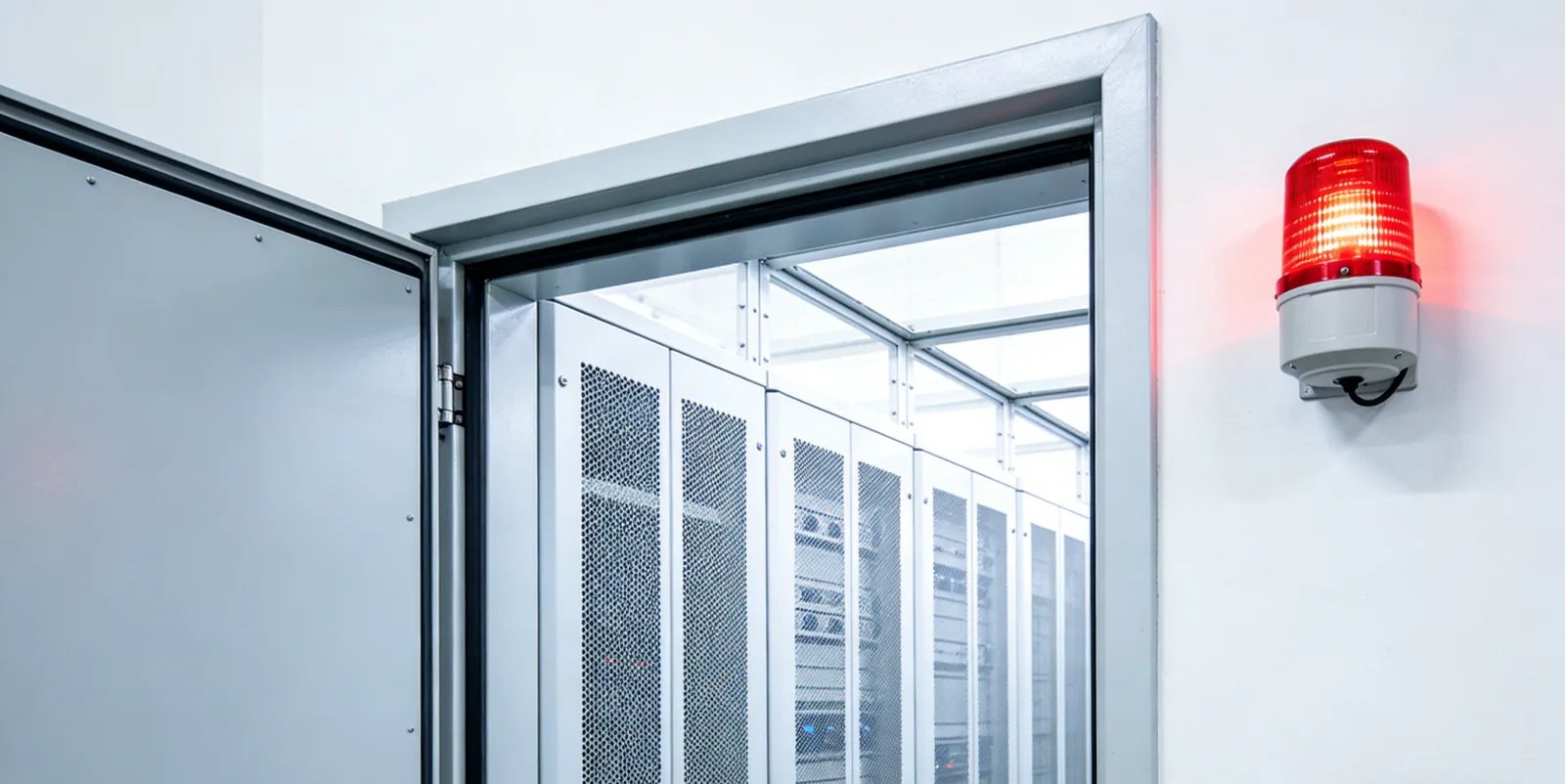
Once OpenMV detects anomalies such as missing fire extinguishers, positional deviations, or obstructions, it can immediately generate an alert signal at the edge, trigger on-site audible and visual alarm devices, or upload event information to the management platform—achieving true “immediate anomaly detection and instant issue notification.”
Leveraging an edge deployment architecture and on-device AI capabilities, OpenMV can perform recognition and decision-making without continuously uploading video streams—reducing network and storage costs while significantly enhancing system stability and response speed.
Fire safety inspections have thus been upgraded from “periodic manual checks” to “7×24-hour online monitoring,” effectively reducing fire safety risks and enhancing overall emergency response capabilities.

 OpenMV
 Shields
 Lens
Lens Robotics
 Book
Book Video
Video Download
 Docs
Docs Forum
Forum OpenMV.io
 Github